The school year is already underway, and for many Autistic students, families and educators, this is the point where early challenges, misunderstandings or stress can start to surface. Its also a useful moment to pause, reflect, and put supportive, inclusive practices in place that can make the rest of the year smoother for everyone.
In this newsletter, we share practical, lived-experience-informed tools to support Autistic students – from the journey to school, to productive IEP conversations, to professional learning and classroom resources for educators.
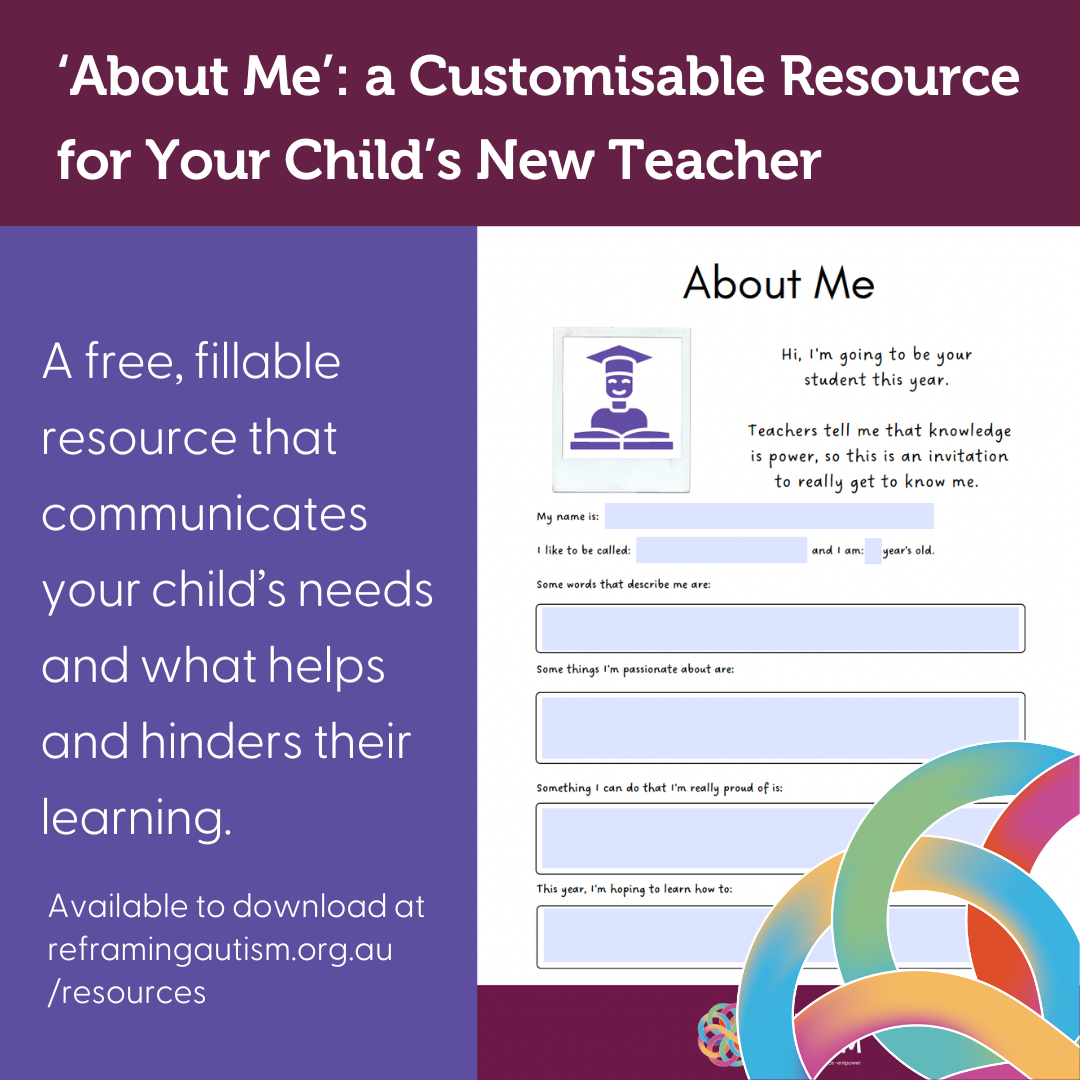
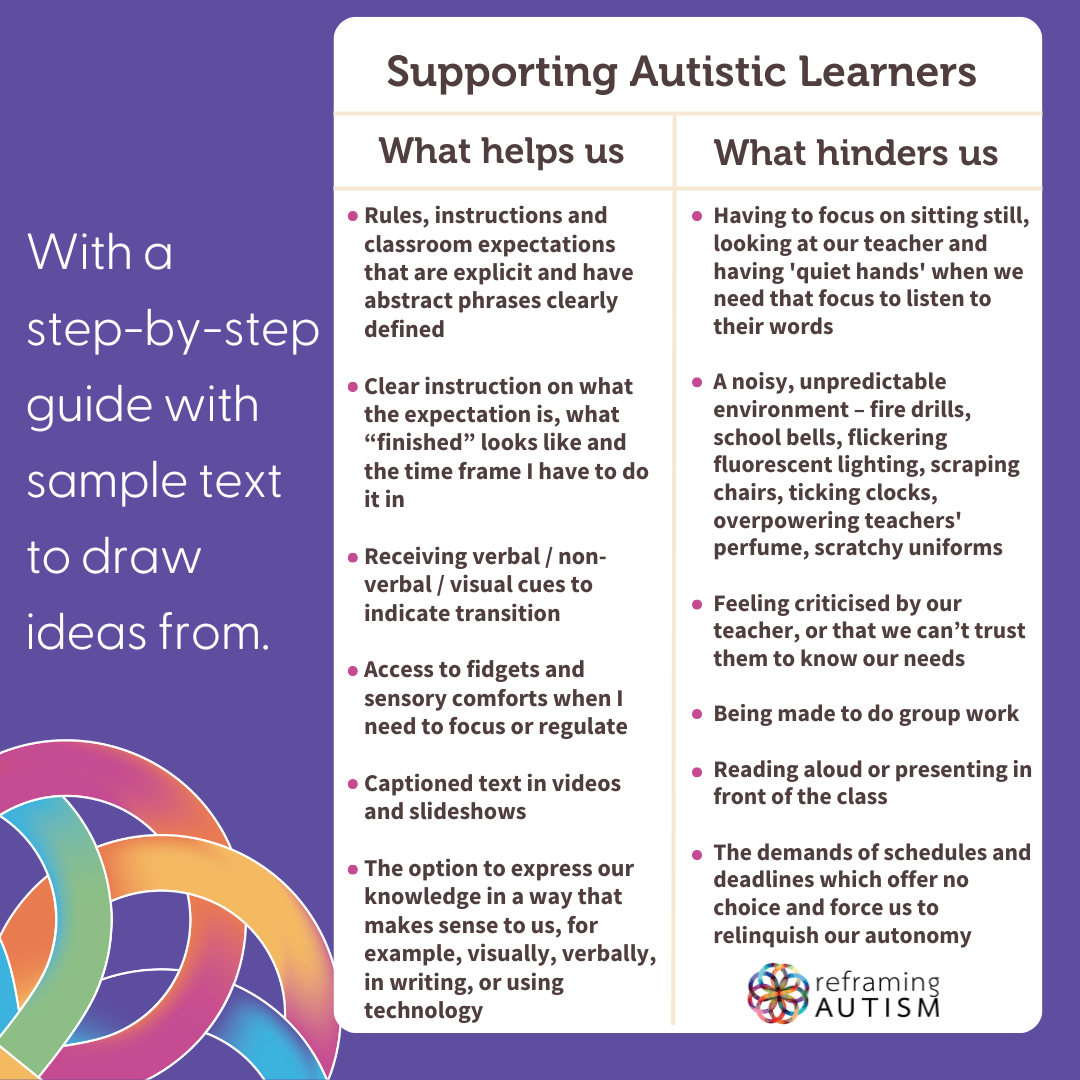
Early conversations with schools often shape how the year unfolds. To support you in them, we have an “About Me” Template created by our Autistic team that can be used as a practical starting guide for Individual Education Plan (IEP) discussions. Completing this resource before meeting with teachers helps communicate your child’s strengths, interests, support needs, and what helps them feel safe and ready to learn.
Access the ‘About Me’ Resource
Pair this with our ‘Neuro-affirming Language Letter’, a practical resource you can share with your child’s teachers to establish respectful, strengths-based language from the outset.
Access the ‘Neuro-affirming Language’ resource
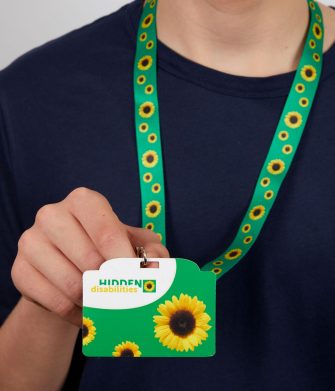
The Sunflower lanyard is an internationally recognised symbol that allows people with invisible disabilities to quietly signal they need extra patience and support. Transport staff are increasingly aware of the symbol and may offer clearer instructions, more time to board, or support navigating busy environments.
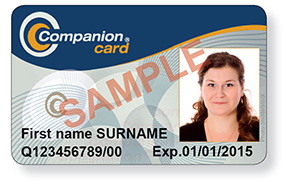 If yourself or a carer will be taking your Autistic student on public transport, you can apply for a Companion Card and travel free. The Companion Card is an Australian Government-recognised initiative that supports people with significant and permanent disability by allowing a cardholder’s chosen companion to accompany them for free on transport services and at participating venues and events, such as cinemas, pools, sporting games and theatre shows.
In the Classroom: Harness Interests to Build Connection and Learning
Research clearly shows that engaging Autistic students through their interests leads to more meaningful learning and stronger teacher-student relationships.
Our information article, ‘Supporting Monotropic Thinkers: Creating Environments Where Focus Can Flourish’, offers insights into how educators can work with – not against – Autistic focus and attention styles to create shared moments of success.
Emily Hammond, an AuDHD speech pathologist, has created a range of free, child-friendly, neuro-affirming classroom tools available on her account, Neurowild, at Teachers Pay Teachers. These printable resources support understanding, self-advocacy, and inclusive classroom environments grounded in lived experience and respectful practice.
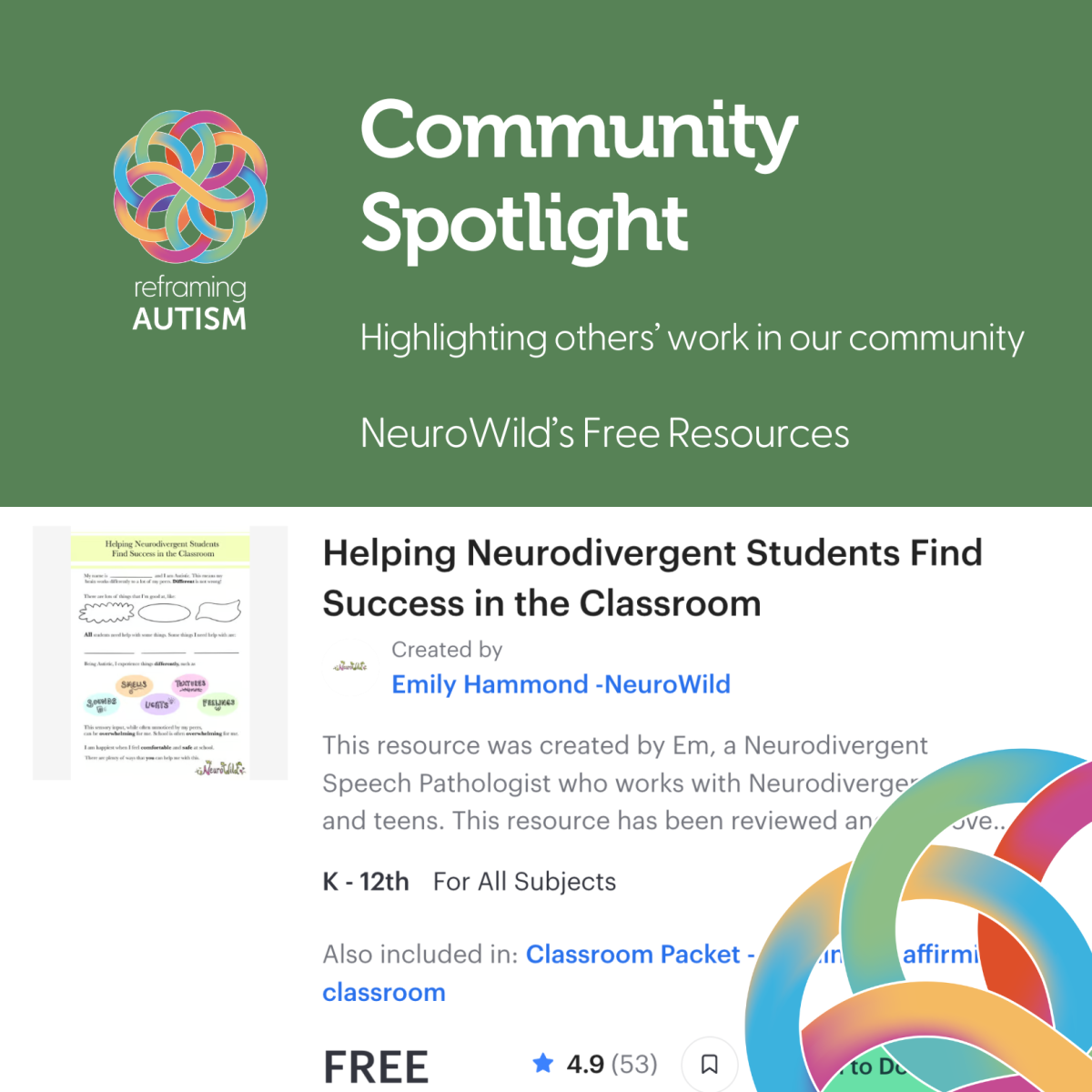
These resources can be shared with teachers, used in IEP conversations, or displayed in classrooms to build understanding, self-advocacy and environments welcoming of all neurotypes.
Explore NeuroWild’s free resources
Strengthen your inclusive practice with Teaching Essentials – Reframing Autism’s professional learning bundle for educators. This certified program brings together 4 evidence-informed courses that centre neuro-affirming approaches to Autism, practical classroom strategies, and a deeper understanding of Autistic communication and behaviour.
Designed to support real-world teaching, Teaching Essentials equips professionals to create more inclusive, supportive learning environments for Autistic students and includes 17.5 hours Continuing Professional Development.
If you are interested in professional development for your whole school, please contact us to arrange a bespoke quote.
Save $98 with the Teaching Essentials bundle
Last year, we proudly announced that we’re bringing the internationally acclaimed Learning About Neurodiversity at School (LEANS) program to Australia in 2026 – launching a new chapter in inclusive education with LEANS Australia.
Developed by a neurodiverse team at the Salvesen Mindroom Research Centre at the University of Edinburgh, LEANS is a free, teacher-delivered curriculum introducing children to neurodiversity through stories, activities, videos, and engaging classroom resources.
Visit the LEANS Australia website at www.leansaustralia.com.au and sign up to receive notifications about LEANS Australia direct to your email inbox.
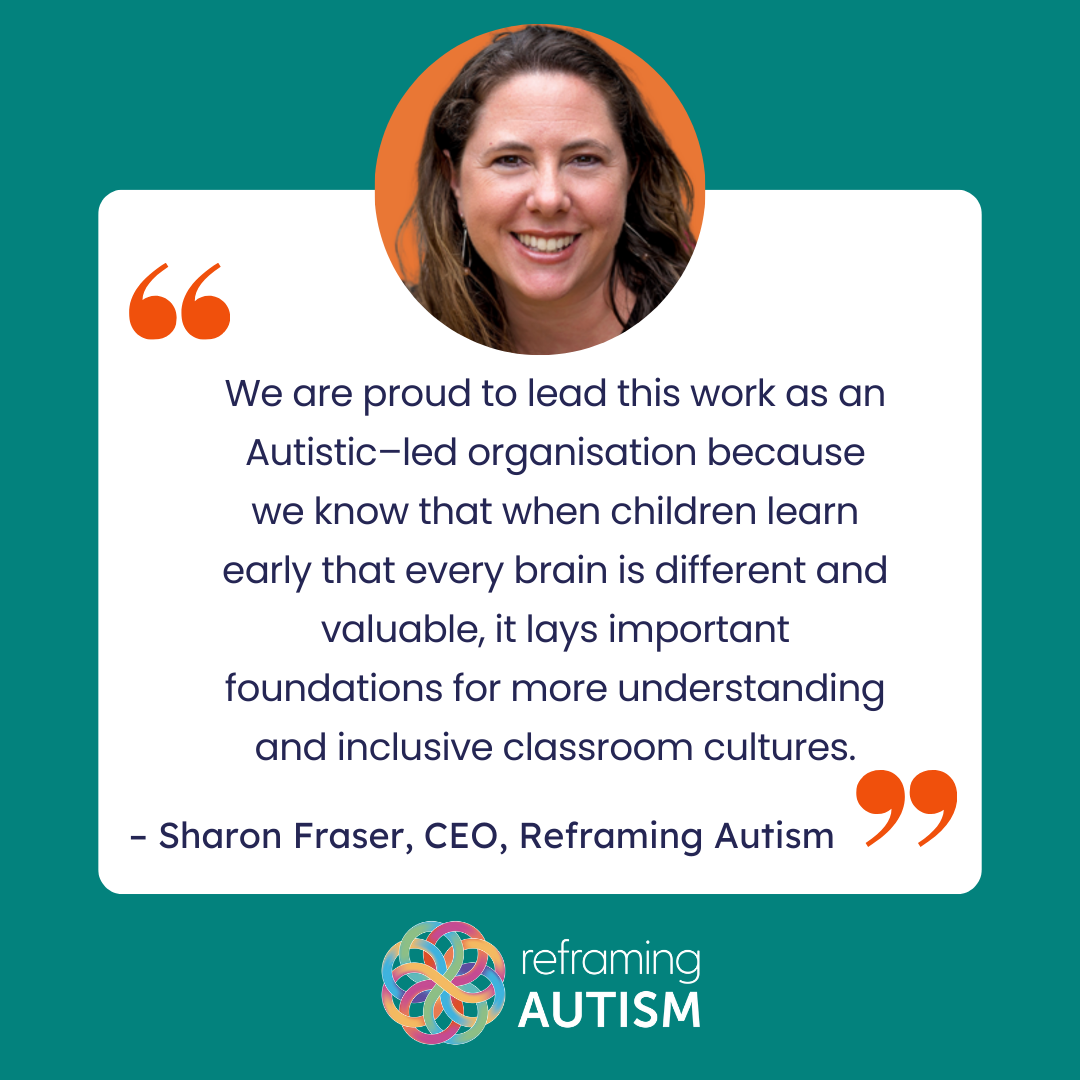
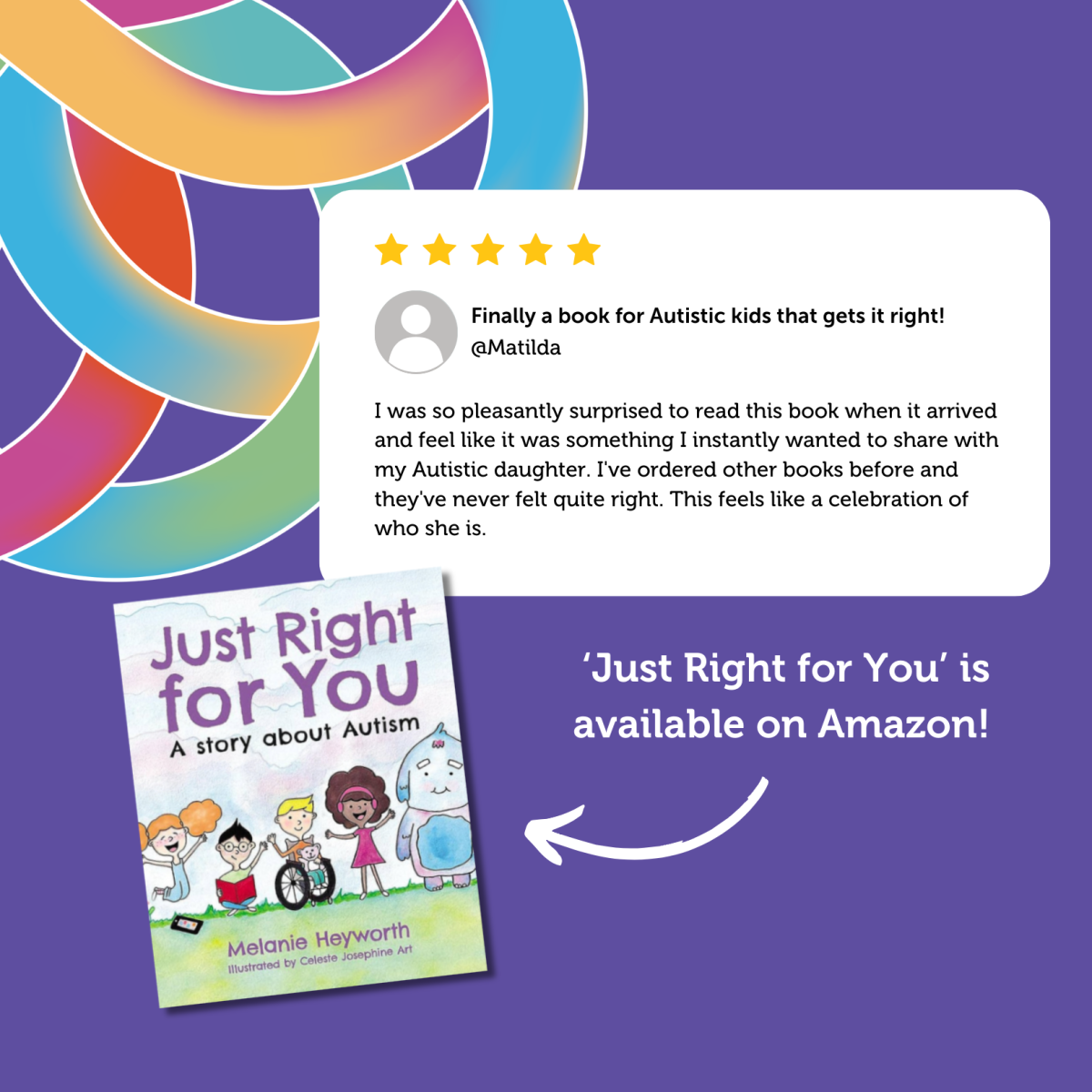
At Reframing Autism, we believe Autistic children deserve to grow up knowing their brains are beautifully different – unique, strong, and completely whole.
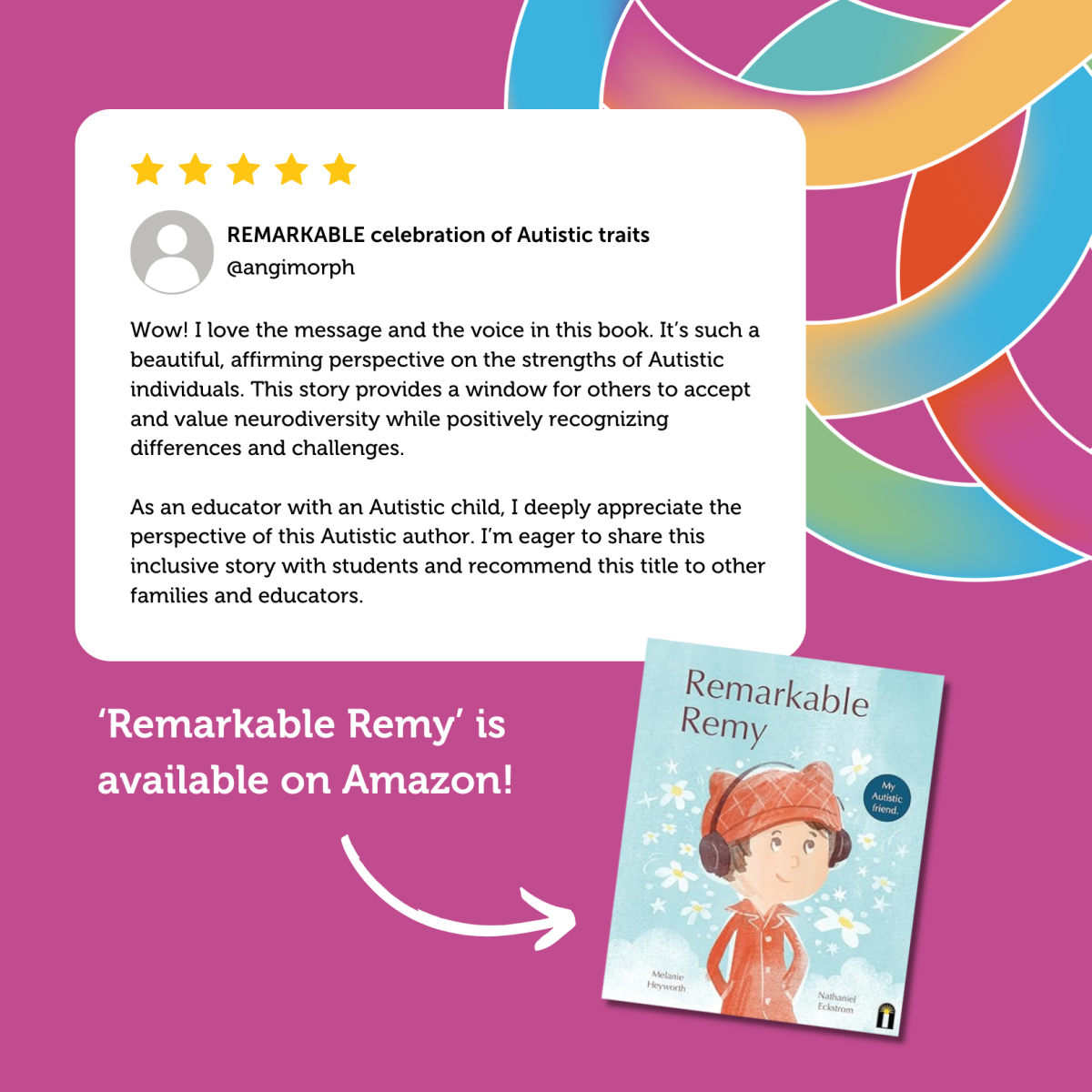
Our much-loved picture books – ‘Remarkable Remy’ and ‘Just Right for You’ – offer warm, optimistic introductions to Autism for both Autistic and non-Autistic readers aged 3+. Written by our Autistic Founder and Researcher, Dr Melanie Heyworth, these stories celebrate Autistic identity, friendship, belonging and self-acceptance, and are perfect for supporting inclusive education conversations.
They make wonderful additions to early learning centres and primary school classrooms and libraries.
Available via Amazon.com.au



The Reframing Autism team would like to acknowledge the Traditional Owners of the lands on which we have the privilege to learn, work, and grow. Whilst we gather on many different parts of this Country, the RA team walk on the land of the Awabakal, Birpai, Whadjak, and Wiradjuri peoples.
We are committed to honouring the rich culture of the Aboriginal and Torres Strait Islander peoples of this Country, and the diversity and learning opportunities with which they provide us. We extend our gratitude and respect to all Aboriginal and Torres Strait Islander peoples, and to all Elders past and present, for their wisdom, their resilience, and for helping this Country to heal.

 Donate