Autism assessment and diagnosis can be a time-consuming, costly and emotionally confronting experience.
Reframing Autism will lead the development of inclusive, trauma-informed, non-pathologising information and resources to support Autistic people and their families through this often complex and overwhelming process. These resources will aim to reduce confusion, stress and unnecessary cost, while affirming Autistic identity, agency and wellbeing.
The project will create a nationally consistent suite of accessible, culturally appropriate and strengths-based resources for Autistic people, and their families and carers. Content will span the full diagnostic journey, from pre-diagnosis through to post-diagnosis, and will cover the diverse Autism presentations across age, culture and gender as well as the interplay with co-occurring conditions and disabilities.
The uniquely Autistic-led consortium that will deliver this project, which includes the University of Melbourne Neurodiversity Project and the League of Autistic Psychologists and Affirming Colleagues (LOAPAC), will co-design these resources with the Autistic and autism community.
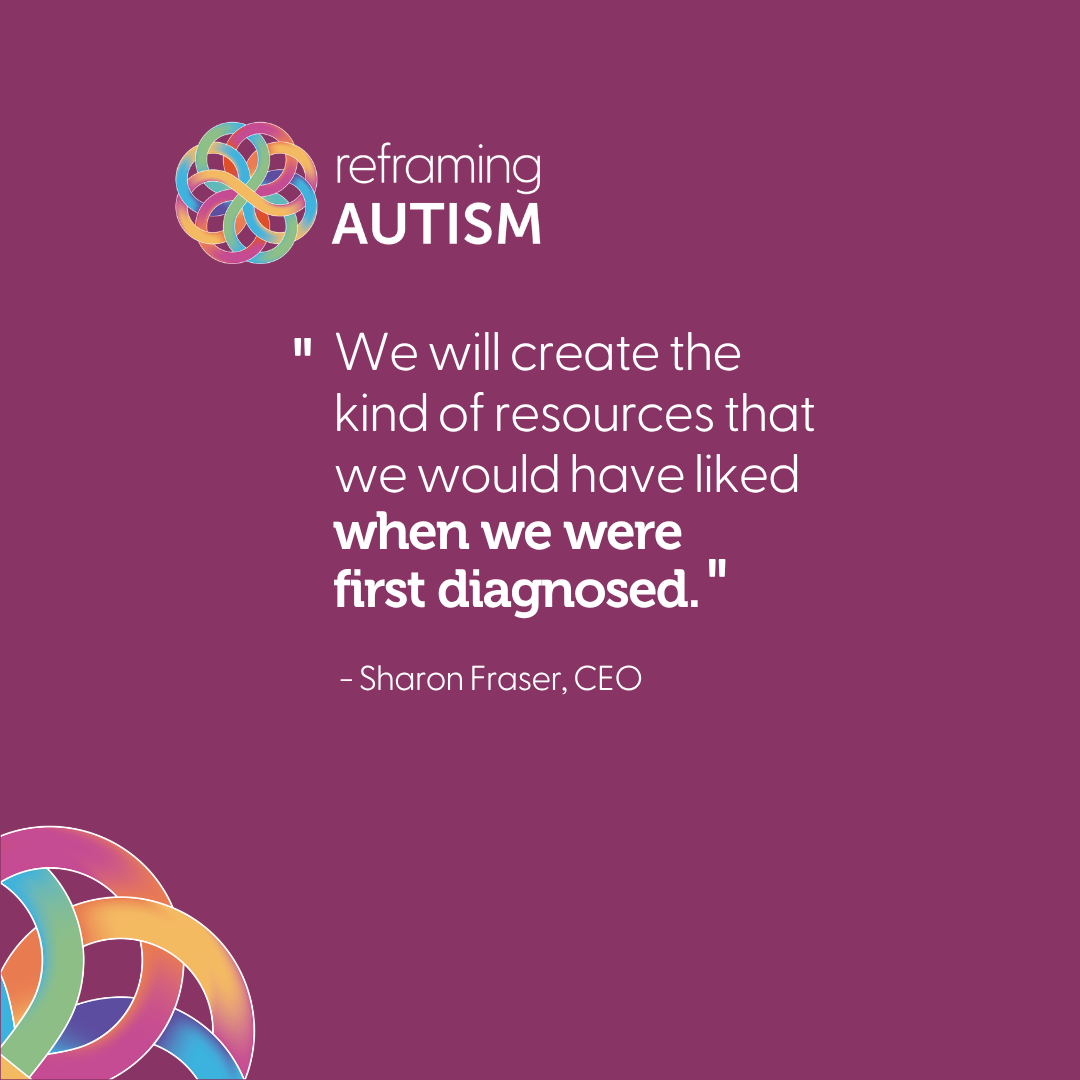
“These resources will all be underpinned by the lived experience of Autistic people,” says Reframing Autism CEO Sharon Fraser. “We will create the kind of resources that we would have liked when we were first diagnosed.”
Accessibility and lived experience will be at the centre of the design process, with Ethnic Community Services translating the resources into multiple languages while ensuring cultural, intersectional and contextual appropriateness.
Humanize Media, an Aboriginal owned creative agency, will lead culturally grounded co-design, content development, and visual storytelling for bespoke First Nations resources as well as review all resources for cultural safety. An advisory group of diagnostic, research and community organisations will provide targeted review to ensure clinical accuracy and mainstream acceptability of resources.
The program is funded under the First Action Plan of the National Autism Strategy 2025-31, released by the Australian Government in January 2025 — Australia’s first dedicated national framework for improving life outcomes for all Autistic people, their families, carers, and communities. The program will be managed by the Department of Health, Disability and Ageing.
Released in January 2025, the National Autism Strategy is Australia’s first dedicated national framework aimed at improving life outcomes for all Autistic people, their families, carers and communities. The First Action Plan includes a focus on improving social connections, reducing stigma and changing attitudes about Autism, supporting the Autism diagnosis journey, improving employment and knowledge translation. For further information about the Strategy, visit: National Autism Strategy | Australian Government Department of Health, Disability and Ageing.


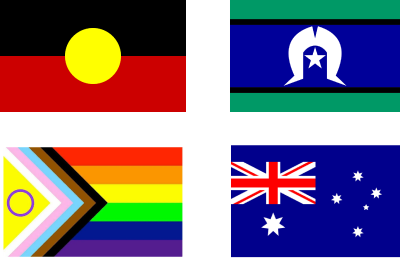
The Reframing Autism team would like to acknowledge the Traditional Owners of the lands on which we have the privilege to learn, work, and grow. Whilst we gather on many different parts of this Country, the RA team walk on the land of the Awabakal, Birpai, Whadjak, and Wiradjuri peoples.
We are committed to honouring the rich culture of the Aboriginal and Torres Strait Islander peoples of this Country, and the diversity and learning opportunities with which they provide us. We extend our gratitude and respect to all Aboriginal and Torres Strait Islander peoples, and to all Elders past and present, for their wisdom, their resilience, and for helping this Country to heal.


 Donate